Is it ever "OK" to point a gun at someone?
Is it ever "OK" to Point a gun at People?
I recently saw a video in my news feed of an Instructor working one on one with a student in a private lesson.This Instructor was allowing this student to
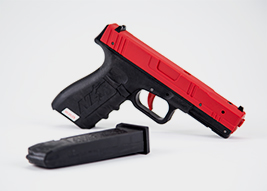 simulate drawing her gun from a holster, and rotate her elbow, and lock her wrist to what some call a retention shooting position. Now this all sounds good so far, the “problem” is he was standing in front of her and the weapon was pointed at him. As I read through the comments, I read many people’s opinions. Comments like these:
- …and he would be following safety protocols
- He should have his credentials revoked
- It’s a felony to point a gun at someone, even in a class on guns
Now these comments went on for a long while, and I will not comment as to their meaning or accuracy.
Don’t get me wrong, in this case, this guy made some mistakes, and fortunately, no-one was hurt. After watching this, and reading these comments, I had to sit down and ask, Is it ever ok to point a firearm at someone else in training?
My answer may surprise you, more on that later.
A while back, I asked a group of students, “Is it ever ok to point a gun at someone else?” Every person in this class said without delay “NO!” So, I posed some scenarios to them. Here are the scenarios I asked them to comment on. Please read them, and answer to yourself…
- If you take an outing to the local Laser Tag venue, is it ok to point these laser guns at someone else?
- If you go to the local paintball field and engage in a “Battle” is it ok to point these paintball guns at someone else?
- If you go to the local airsoft field, is it ok to point these airsoft guns at someone else?
- If you take a Force-on-Force class using UTM equipped guns, is it ok to point them at someone else?
- If you take a Force-on-Force class using Simunition guns, is it ok to point them at someone else?
- If a criminal is threatening you with serious bodily injury of death, is it ok to point your gun at them?
Their responses were all “YES!”. So, I ask again, Is it ever ok to point a gun at someone in training?
Well, I will say this, if the proper safety measures are taken, and there is a legitimate purpose for this training, then yes. Now try not to get your feathers too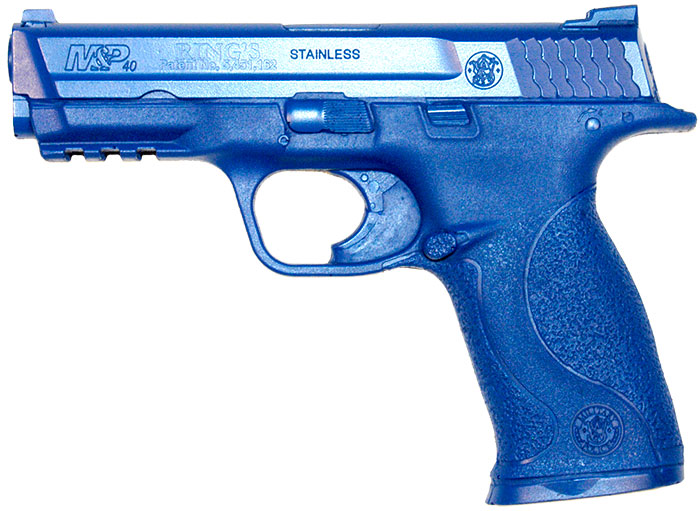 ruffled. I am not advocating randomly grabbing a gun off the shelf in the classroom, and pointing it at everyone in the room. I don’t believe we should be pointing guns at students in basic firearms orientation class, or a basic concealed carry permit class. As a matter of fact, I think the times where pointing a gun at someone should be chosen very carefully, and have a very specific purpose. The context of the training must be very clear, and the results must outweigh any possible safety concerns. I believe there are very strict protocols that must be in place to insure the safety of the participants. I also believe there are enough training aids such as Blueguns, Sirt Pistols, and other props, that the need for using an actual firearm is few and far between.
A colleague of mine recently worked with a group of law enforcement officers. They had AR-15s that had the Bolt Carrier Group removed, ECI( Empty Chamber Indicators) installed, and empty magazines inserted in the guns. All ammunition was removed from the training area, and everyone was patted down to ensure their pockets were empty. There was no risk of these guns being operational. This was this group of officers first foray into the FOF training. These guys were instructed to complete some drills, and some of these drills required, wait for it, pointing their duty weapon at another individual. An overwhelming 90% of these officers absolutely refused to complete this training at first. The question must be asked, if their lives were on the line, would they have been capable of pointing their guns at a felony threat? After some time, and work, they were all able to complete the training, and they all were thankful for the training they received.
I believe there is a need for stress inoculation in training. Many law enforcement officers have an opportunity to participate in Force-on-Force training using Simunition/UTM guns. This gives them an opportunity to get shot at, and shoot back at people with paint-marker rounds in guns that look and act just like the guns they carry on duty. This is a very efficient means of inducing stress into their training. This method of training allows them to see flaws in their training, and make corrections in a safe environment, but yes they are pointing guns at another person.
Many civilians can take ECQ (Extreme Close Quarters) courses using UTM/Simunition guns to help them understand that civilian defensive encounters happen very quickly, and are very violent. Without this training, they would never see the gaps in their training. There are some things that are difficult, nearly impossible to train for while standing on a one-way range shooting slow fire at a paper target.
Have you ever participated in a combat sport? Boxing? Wrestling? Martial Arts? All the training you do working on technique, working on a bag, shadow boxing seems to leave your mental consciousness the moment you get punched, kicked, or taken down. Oh, maybe not, because in those sports, you train for Force-on-Force with a training partner who punches you, kicks you, takes you down and tries to hurt you. So why is it ok to spar in that arena, but not do the same thing in a controlled environment dealing with something like a lethal force threat?
In closing, I will say this. I do believe we should be vigilant about safety when training. I will also say we need to make time, and set aside the money needed to attend these courses, and get some Force-on-Force training. Just make sure the person leading the class has a very strict set of safety protocols to ensure the participants do not get hurt.
Thank you for taking time out of your day to read this.
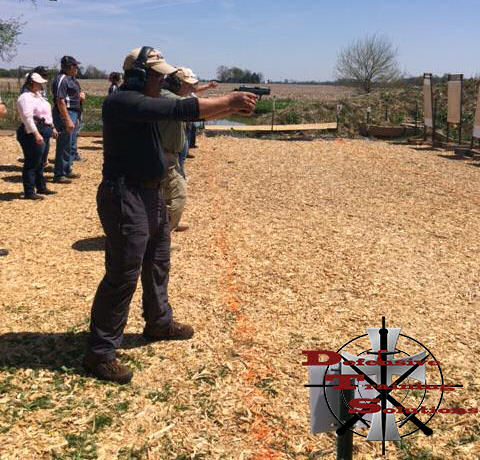 training course. What I found interesting was the way these drills were designed. There were 3 different courses of fire.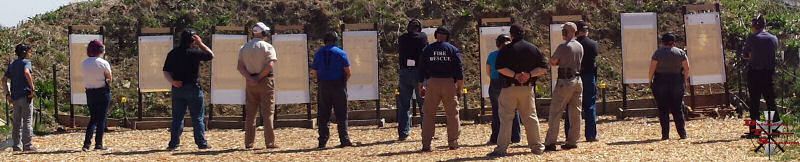
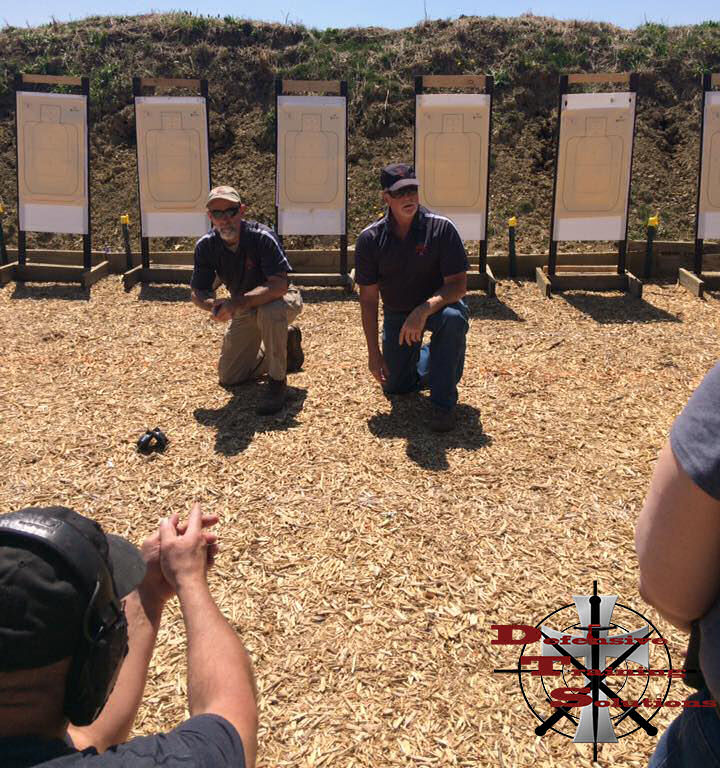
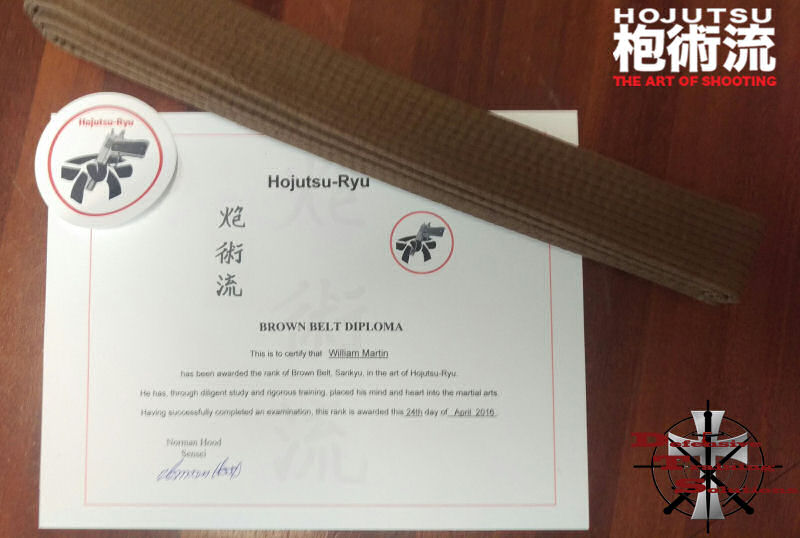
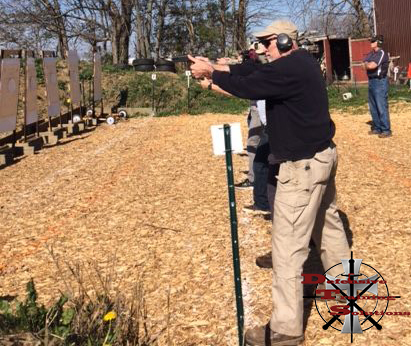
 With the recent surge of firearms sales after Sandy Hook, we have also seen a huge influx of new firearms instructors and training academies. But buyer beware, not all instructors or so called academies are created equal and some can actually get you hurt or even get you in trouble with the law.
 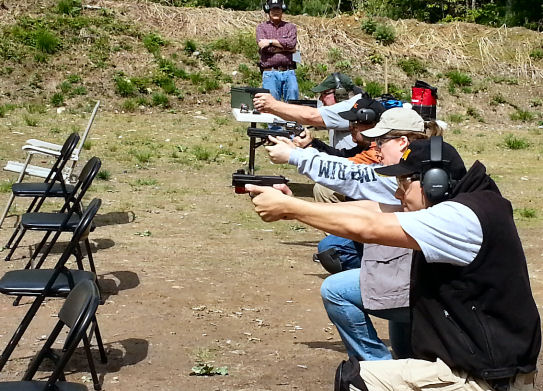 5. TEACHING STYLE - What kind of instructor are they, as they all have their own teaching style, some get off track easily, some over teach and some under teach. Most firearms classes are objective based which means all students should have that particular lesson down before the instructor moves on to the next lesson. Does the Instructor make sure of this, does he encourage questions be asked at any time, does he ask you if you have any questions. Does he make the class fun, does he stay on topic ~ man, I have seen instructors where at the end of the day you actually know more about the instructor then you do about what you came to learn.
 10. FIRST AID TRAINING - None of us like to think that something could go horribly wrong and we get hurt in a class. I'm not trying to scare you and I must say that range accidents are actually very rare, but they do happen. This is another area that a good instructor understands and takes steps for, this means they have taken the time to get certified in Emergency First Aid, CPR and AED. Remember that anything can happen on the range, not just gun shot wounds but heart attacks, strokes, broken ankles etc... it's nice to know that the instructor is ready for anything and actually has a plan to deal with emergencies of any kind.
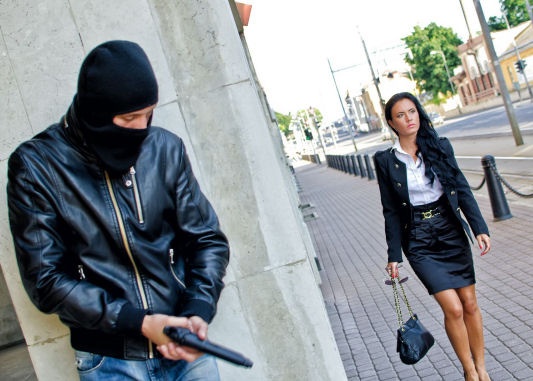 13. DIVERSITY - Another important aspect is diversity of your instructor. As you may soon learn when you start taking classes is that a firearm is a tool of last resort and you can only use that tool when your life is threatened with death or grave bodily injury. On top of that is the fact that many situations that require you to protect yourself, happens in a split second and many times you cannot get to that gun to protect yourself, so you have to know how to use other tools and techniques. Prevention is also the best way to stay alive since avoiding a gun fight in the first place is the best way to win a gun fight. So you also need to know situational awareness, avoidance and deescalation techniques and much more. Does your instructor know this is kind of stuff or offer other classes such as pepper-spray classes, situational awareness, some hand to hand techniques. Remember your gun is a tool of last resort so you cannot always go straight for that gun, there many things you need to know and understand legally and escalation of force is not something you want to learn by trial and error.